Hello, friends —
Checking in with some April updates and musings - a bit later than intended but still, we hope, with some valuable wit and whimsy.
We know it's well and truly Spring because, as anticipated, we are solidly behind on our (typical for us) long and ambitious list of projects for the year... One solution to this, of course, would be to have a smaller list of projects - But there's a lot to be said for dreaming big and imagining what's possible. The two things that really get us into trouble over here are trying to put too many things into motion at once and holding too tightly to specific outcomes.
So, rather than being behind, let's say we're just exactly where we are - and grateful for it.
"There's more to be seen than can ever be seen. More to do than can ever be done.
-The Circle of Life (from The Lion King)
And now, on to the good stuff...
In the April edition:
Updates from the Farm
It's been a bit of a seasonal roller coast since our last check-in. The month of March brought us Spring and Winter and now here we are with early Summer weather in April... Spring is always pretty fickle, but the back and forth this year has been something else.
This season has also brought two new additions to the herd (the last calves of 2026 until, presumably, November) - Please welcome Miss Maddie (Madeleine, daughter of Ginger) and Mr. Cosmo (son of Clove)! These two have become fast friends, just like their big sisters Bri and Poppy.
A Farewell Haiku (A "Hai-Coop" if you will...)
They say bulls are mean.
They must never have met Coop.
A gentle giant.
RIP Bradley Cooper ("Coop"), Son of Brylee
April 2022 - March 2026
Seeing Sideways: Different Perspectives
We've been thinking a lot about the power of being able to see things differently and that one of the things most needed at this particular moment in time is a little perspective. Read on as we discuss a few ideas we think are worthy of a little contemplation...
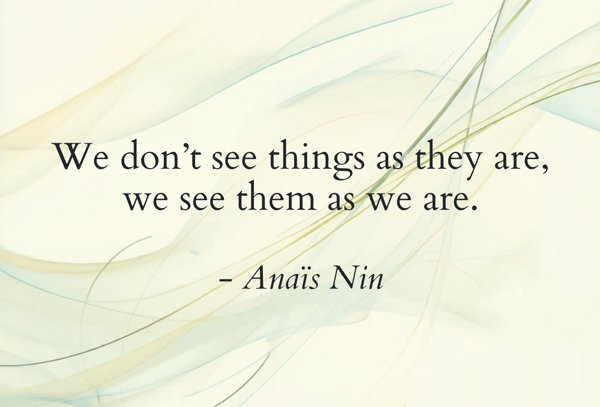
We don't see things as they are, we see things as we are.
Have you ever had a conversation with someone and thought to yourself, "How in the world can they think that?!?" You might have further thought, "What an idiot!" or some similar silent admonishment... But, if you were them, with the full weight of their lived experience, I'd bet you'd think exactly the same thing.
This isn't to say that we at The Wit and Whimsy Foundation necessarily think any one view is as good or as accurate as the next... Just that it's worth a pause (and some real listening) before outright dismissing another perspective just because it's different than yours.
🎶 Nobody Right Nobody Wrong (He gets it.)
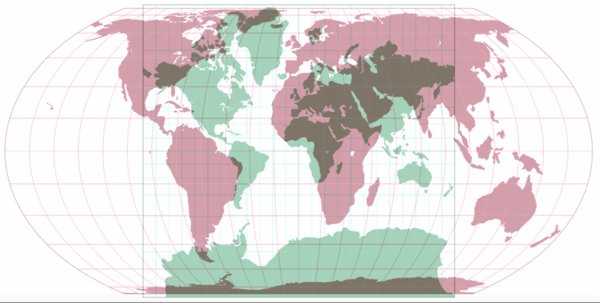
The map is not the territory.
In case you're not familiar with this concept, the idea is that we make maps to develop a shared understanding of what the world is like and to help us navigate from here to there... But at the end of the day, a map can never fully capture the full complexity and nuance of the world.
Maps help make the unknown a little less unknown, but consider these limitations:
• They can never really fully capture everything that's there (or might be there someday)
• They're usually drawn with specific purposes in mind (prioritizing certain details over others)
• They often make us more likely to stop paying attention to what's actually there.
And speaking of maps, did you know that the most commonly used map (The Mercator Projection) is great for navigation but hugely distorts area, making some countries seem much larger or smaller than they are in relation to the rest? 🗺 Learn more!
Symptoms as signals.
What comes to mind for you when you hear the word "symptom" - a runny nose, a cough, a headache? Likely, something unpleasant or painful that you hope will stop. But we can also think of them as signals (clues!) about underlying conditions that often go unseen or overlooked.
Living systems (bodies, communities, ecosystems) are dynamic and complex, but they are not random. Symptoms show up when something's out of balance - like messengers as opposed to villains. When we get curious about why a system is responding the way it is, we can start getting to the bottom of what underlying conditions need our attention. And as conditions change, those annoying symptoms often resolve on their own. Message received.
On this topic, we'd like to recommend a wonderful documentary film called 🎥 The Biggest Little Farm. The story they share is such a great example of shifting perspectives and learning to attend and respond to the signals all around us. Check it out to learn how a "snail infestation" 🐌 is really just a "duck deficiency" 🦆 and so many other observational gems.
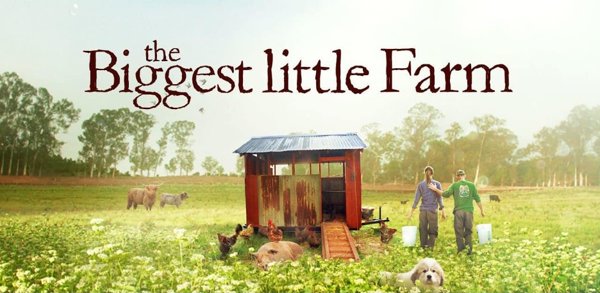
Image by: Apricot Lane Farms
What You're Wondering About
Thank you to everyone who requested specific updates this month! Read on to hear about what's currently piquing the curiosity of The Wit and Whimsy community:
What to do about gnats around seedlings?
Gnats around seedings (likely "fungus gnats") are a pretty reliable indicator of soggy conditions. Excess water creates anaerobic (low oxygen) conditions where certain fungi and algae thrive, and roots become soft and weak - all tasty treats for baby fungus gnats. (Learn more.)
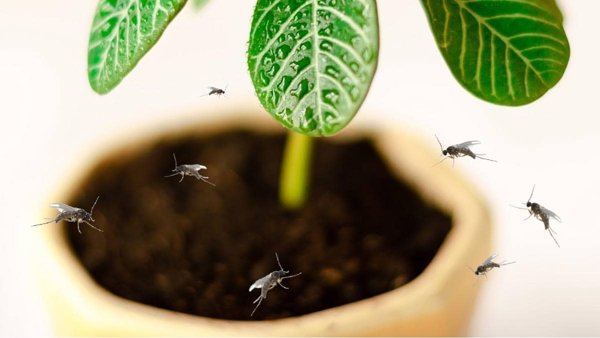
Image by: Empress of Dirt
The best recommendations I've seen for these suggest watering seedlings from the bottom, if at all possible, and allowing them to dry out a bit more between waterings, especially the surface where the gnats typically enter to lay their eggs - not bone dry but not soggy wet, either. Everything in moderation!
A bit of air movement from a small fan or similar can also help - and has the added benefit of encouraging the seedlings to put more energy into building strong and sturdy roots and stems. Think of it like a workout for your seedlings - they'll thank you when they're older.
How will donations be used?
Funds provided to The Wit and Whimsy Foundation are currently focused on two objectives:
1. Caring for our other‑than‑human neighbors
This includes the cows, the chickens, the gardens, and any number of other living beings. You could think of this category as Care and Conservation (and maybe that's what we'll start calling it). For the more domestic plants and animals, this includes things like hay and feed and minerals and also infrastructure like shelter, water, and fencing. For the wilder of the Wit and Whimsy residents, this includes things like habitat creation for pollinators, water stewardship, and time spent in intentional observations so we can share tips and tidbits with you!
Case in point: You might be interested to know that we have, so far, not experienced issues with hawks around our chickens - despite the fact that there are MANY on our property, some even using our garden fence as hunting perches. We're fairly certain that the thriving population of rodents (mice, voles, etc.) in the tall grasses - who are unintentionally fed copious amounts of chicken feed throughout the year - offer a more convenient snack for the hawks compared with our large-ish group of squawky chickens.
2. Creating content and experiences that spark everyday wonder
Donations are also used to develop resources, gatherings, and creative offerings that help people reconnect with curiosity, imagination, and each other. This includes in‑person events, virtual workshops, storytelling projects, and other programs shaped by the needs and interests of our communities - both local and online.
Ultimately, our goal with The Wit and Whimsy Foundation is to do our small part to leave things a little better than we found them. We do that by attending to and caring for the natural world around us and by offering what we learn to benefit our communities. Thank you for being part of this with us!
The Wit and Whimsy Foundation does not solicit donations but can accept unsolicited, tax-deductible contributions. To inquire about making an unsolicited gift, please contact us at hello@witandwhimsy.org.
Hügelkultur Experiment Update #1
The hügelkultur experiment is underway! We've filled three beds (planted with potatoes) and have five more to go. So far, we can report the following:
- It's best to make the layers as non-uniform as possible (think trail mix, not lasagna).
- It's a LOT of work up-front... but also a great workout!
- They ARE holding more moisture (like sponges) than the regular garden spaces.
- We have some sprouts!
Stay tuned for more updates as the season unfolds!
|
This Month's Prompt
Wonder in Practice: Taking A Second Look
The next time you encounter something frustrating or annoying, take it as an invitation to step back and look again from a different perspective.
Before assuming you’re seeing the whole picture, pause and ask yourself:
• What else might be true here?
• What might I be missing?
• What would this look like from someone else's perspective?
We are the authors of our own stories - We figure, why not write stories we'd like to read 🙂
|
What's Ahead
We've got a few projects in the works, set to launch in June, aimed at increasing the odds of a little summer serendipity, including both local workshops and virtual get-togethers.
But before we settle on any specifics, we'd love to hear what would make these sessions you would want to join - not just because you support us but because you would genuinely want to be part of them.
If you’re willing, we’d love for you to take a quick survey. Your perspective will help us shape these summer offerings into something that feels genuinely worth showing up for.
💬 Take our teeny-tiny survey (1min 30sec) - tell us what you think!
https://form.typeform.com/to/F3L73yWb
Warmly and in wonder,
The Wit and Whimsy Foundation
|


